The Village that Moved
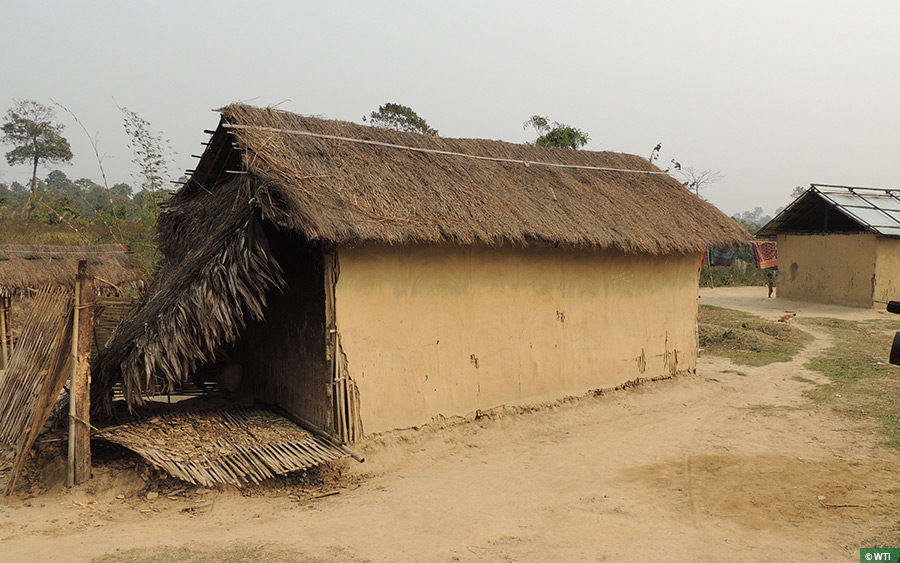
A house damaged by migrating elephants. The village of Ram Terang – more of a hamlet with just 19 houses – lay in the middle of the Kalapahar-Daigrung Elephant Corridor and was a hotbed of human-elephant conflict.
The Village that Moved
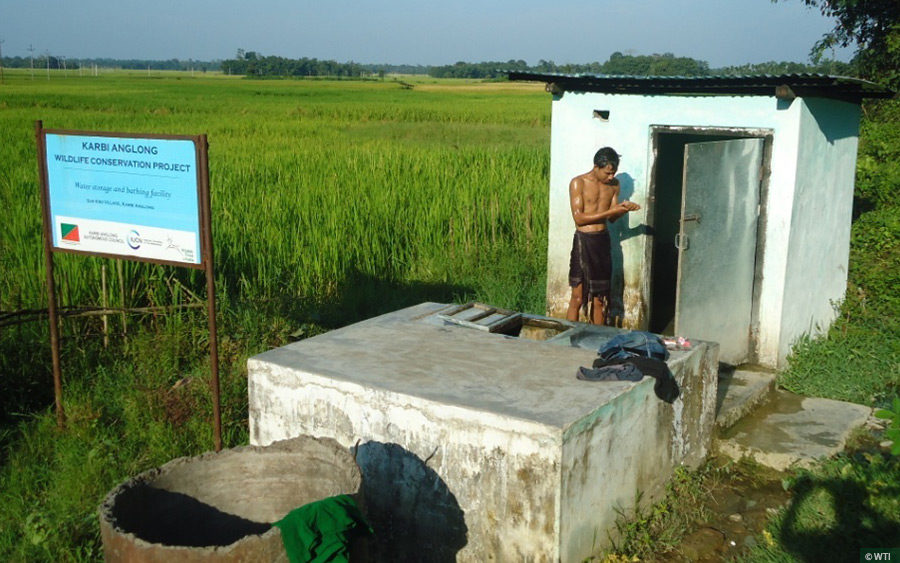
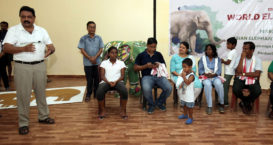
WTI began working on conflict mitigation in this region in 2012. Confidence building measures like this water storage and bathing facility at Sar Kro Village were among the first steps, with support from JTEF and IUCN-NL.
The Village that Moved
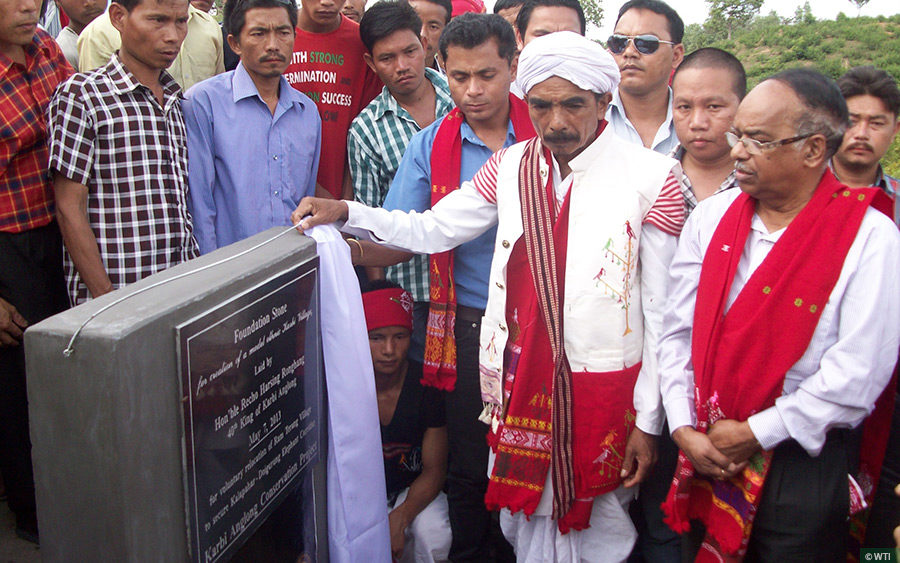
WTI partnered with the Karbi Anglong Autonomous Council to develop a consensus for the voluntary relocation of villagers. In 2013 the King of Karbi Anglong laid the foundation stone for the creation of a new Karbi village.
The Village that Moved
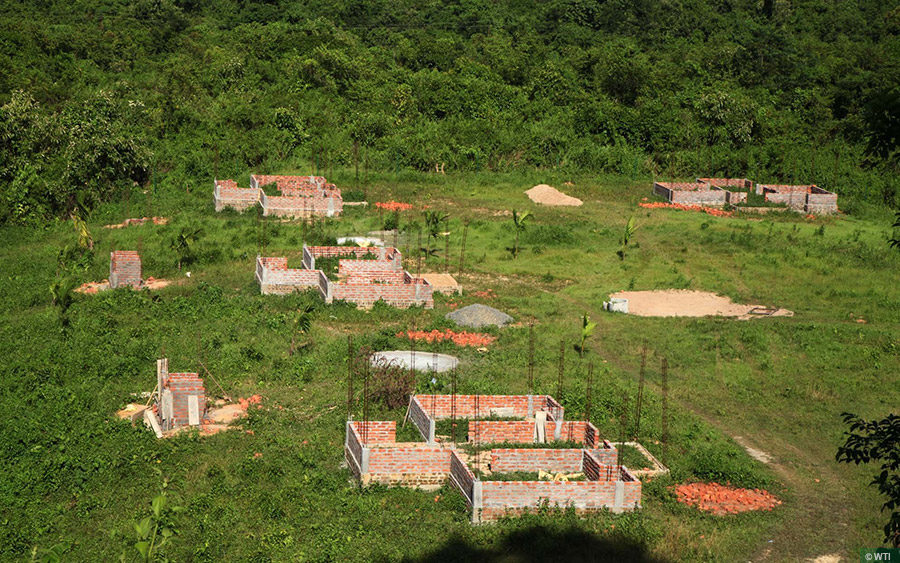
WTI also teamed up with UK-based NGO Elephant Family to plan and develop New Ram Terang – a model ethnic Karbi village, six kilometres from the old village and out of the elephants’ way.
The Village that Moved
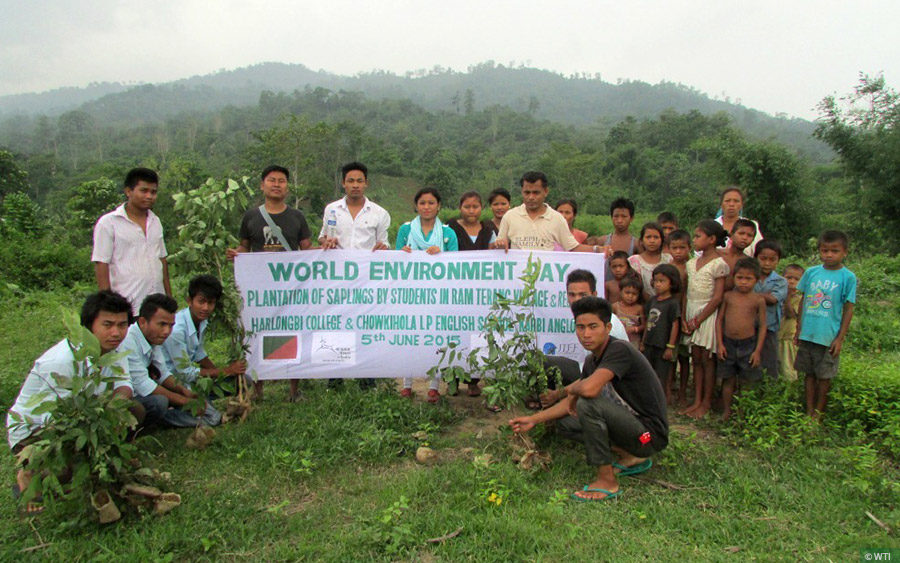
On 5 June 2015, World Environment Day, school and college children from the region planted saplings in Ram Terang’s old location, signifying the ‘rewilding’ of the area.
The Village that Moved
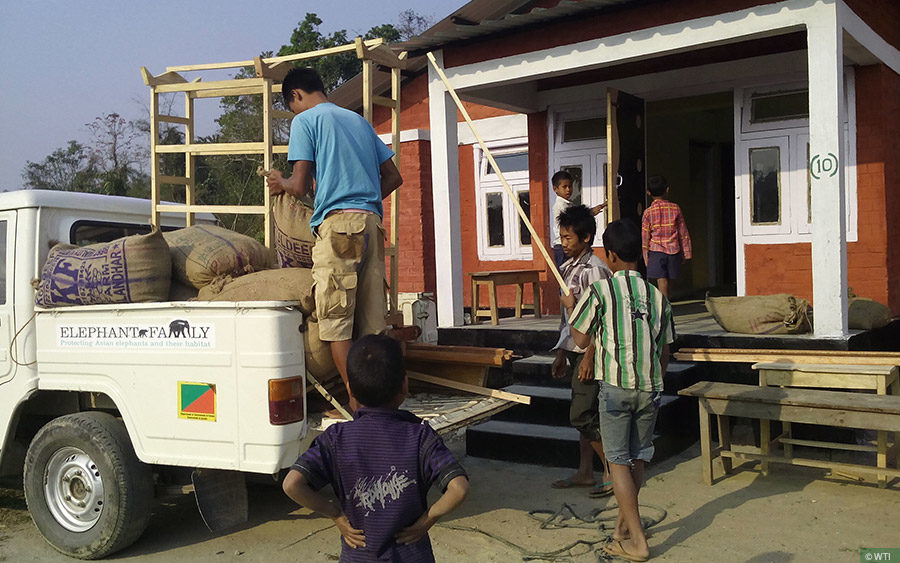
Villagers moving into their new houses. In November 2015, WTI CEO Vivek Menon and Elephant Family CEO Ruth Powys had handed over a ceremonial bunch of keys to the Gaon Burha, the village headman, marking the village’s completion.
The Village that Moved
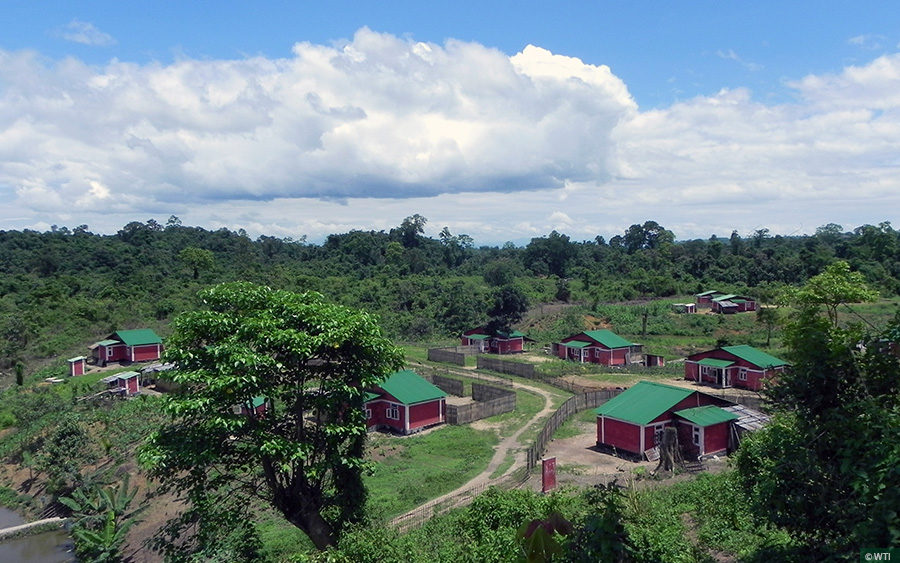
New Ram Terang as it looks today. The villagers had all moved in by March 2016. The new village offers well constructed homes and better facilities to the villagers, and of course, the freedom to sow and reap their crops without fear of elephants.
The Village that Moved
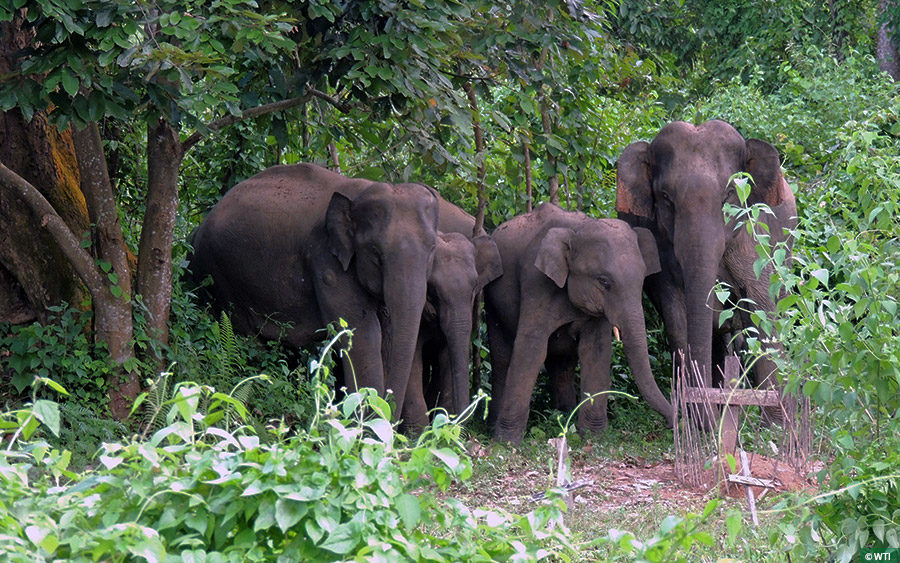
The picture tells the story: elephants once again have undisputed right of passage through the Kalaphar-Daigrung elephant corridor.