
The nationwide lockdown following the Covid 19 threat is beginning to show some unusual but expected ramifications in our neighbourhood. Yes, the air pollution levels have come down drastically and the noise due to road, rail and air traffic has literally stopped. Given the increasing incidents of corona cases, this lockdown is likely to continue in most parts of the country for at least till May 2020. A natural consequence of this lockdown is the near-zero human activity on the roads, streets, parks, institution campuses and other residential areas. The deserted roads, pathways, parking areas and places of such social gatherings is now proving to be a boon for urban and suburban wildlife.
Diurnal animals turn nocturnal in human dominated landscapes. A mongoose or leopard that is active during the day in a forest environment would increasingly be nocturnal or crepuscular in a human dominated landscape. However, when human activities become negligible in a lockdown situation like this, these animals begin to show signs of returning to their natural activity patterns. While nocturnal species would remain nocturnal (e.g. civets, flying squirrels), diurnal species might come out more daringly in urban areas in broad daylight.
What should be our reaction when we encounter wild animals that are not usually seen in your neighbourhood? A mongoose, civet, macaque or a monitor lizard may not attract much attention, but larger animals like leopard, nilgai or elephant would. Here are some generic instructions on how to deal with such a situation:
- Give wildlife their space, and just ignore their presence. Conflict starts when you try to do something where no action is required. There is a time for being active and there is also a time for being inactive. Most cases do not need any intervention. Invariably, it is the human presence that causes a conflict or rescue situation. So, let us avoid creating a rescue situation from nowhere.
- Avoid feeding wild animals at this juncture. Wild animals are not like our community dogs that are dependent on street vendors and others for their livelihood. Providing water to squirrels and birds during summer is a different matter.
- Avoid crowding around a wild animal, not because this is the lockdown period when social distancing is enforced, but even otherwise. Recently in Jorhat in Assam, about 7000 people had gathered and needlessly pursued a leopard that someone happened to see in their locality.
- Approach the forest department personnel or nearby wildlife rescue organizations if the animal is in trouble (surrounded by people, or trapped somewhere, or fallen into a well/trench), and also when you or your property are under threat.
Here are some advices for specific taxa:
 |
A snake is unlikely to enter homes in a lockdown situation when people are expected to be at home. Should a snake enter a house, the best option would be to use a long stick/broom and try to take the snake outside. Otherwise, keeping the door open and causing disturbance on the opposite site would force the snake to go out on its own. If you are not confident of doing this, contact the nearest snake rescue team operating in the area. |
 |
With vehicles off the road and construction activities coming to a standstill, you are bound to hear more bird calls these days. Unlike mammals and reptiles, we don’t generally consider birds to have strayed into human areas. They are the least likely candidates as a threat to humans. Absence of human activity may encourage them to nest or inhabit areas which they would have otherwise avoided. Should you find a bird nesting close to your home, be happy! |
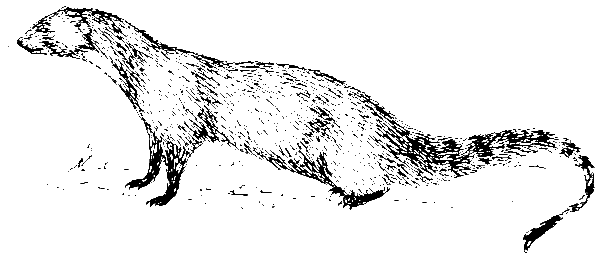 |
Small carnivores like mongooses and reptiles like monitor lizards could be seen more frequently during the day. Just leave them alone and they will take care of themselves. If you suspect them to be raiding your backyard poultry, contact the Forest Department and wildlife rescue organizations for help. |
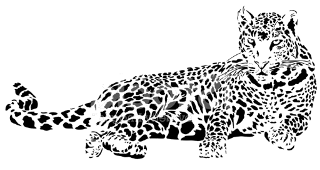 |
Even ‘straying’ leopards are harmless unless you poke your nose on their privacy. Like many species, they are diurnal (active during the day and night) and may venture out even during broad daylight, seeing deserted streets and suburbs. At least four such instances have been reported from different parts of the country since the lockdown (Chandigarh; Jorhat; Golaghat; Nasik). Do not create a panic situation just because it is a large carnivore. They will take care of themselves if you leave them on their own. |
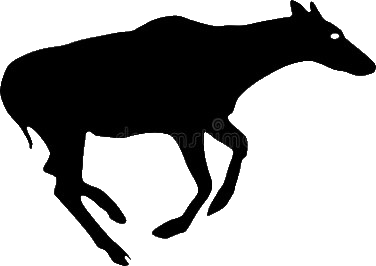 |
We are already getting news of large ungulates like the nilgai walking along the roads of cities like Noida. Nilgais being an adaptable species are more likely take advantage of deserted roads, parks and crop-fields. Scenes of gaurs on the roads of hill stations like Kodaikkanal would be more common than before. Stay indoors and enjoy them parading on the streets. Things will return to normal after the lockdown period is over. |
 |
The most challenging would be handling the roving monkeys. As a group, they would be the most benefitted of all the urban wildlife due to this lockdown. There are reports of monkeys having reclaimed the streets coming in from some cities. Capturing monkeys is not an easy task, neither is their translocation to new areas a recommended mitigation measure. As of now, the best way is to bear with this situation till the restriction is over. |
 |
There are reports coming from places like Haridwar where a wild tusker walked straight into the deserted streets of the town. Townships or human settlements close to forest areas would be more prone to such incidents. The best option is to ignore them if they are not causing any damage to property. With no one on the roads, there will not be any threat to human life. If they are proving to be a threat to property, the Forest Department personnel should be contacted for assistance. |